Smart Strategies for Reliable Van and Caravan Transport
Moving a caravan, trailer, or boat across state lines in Australia is not a simple errand. It requires planning, the right equipment, and a solid understanding of the regulations that govern heavy vehicles on our roads. I have spent years in transport logistics, and I can tell you that the difference between a smooth delivery and a costly delay often comes down to who you trust with the job.
The phrase "van and caravan transport" might sound straightforward, but it covers a surprising range of work. A single-axle trailer needs a different approach than a multi-ton road train carrying multiple caravans. The same goes for boat transport, where the shape and weight distribution of the vessel matter as much as the route. Getting it right means knowing your equipment, your drivers, and the conditions they will face.
What Makes Interstate Caravan Transport Different
Interstate caravan transport is not just about hitching a caravan to a truck and driving off. Every state and territory in Australia has its own rules for mass, length, and width. A rig that is legal in Queensland might need a permit before it crosses into New South Wales. That is where route planning becomes critical. A good operator does not just look at the map. They check bridge clearances, road classifications, and rest stops where a road train can safely park.
I have seen operators try to save money by using a standard flatbed trailer for a load that really needed a purpose-built caravan mover. The result was a bent frame and an unhappy customer. The right equipment matters. A flatbed trailer works well for many loads, but a dedicated caravan mover often provides better support for the chassis and a lower centre of gravity. That translates into less stress on the caravan and a safer journey overall.
Safety Standards Are Non-Negotiable
Safety standards in the transport industry have tightened over the years, and for good reason. A caravan that comes loose on a highway does not just damage the load. It endangers everyone behind it. That is why reputable companies invest in proper tie-downs, load-rated chains, and regular inspections of their gear. I always tell people to ask about the operator's approach to loading and unloading. A rushed job at the pickup point can cause problems that last the whole trip.
Driver monitoring also plays a big part. Fatigue is a real risk on long hauls across the Nullarbor or up the Newell Highway. Modern fleet management systems track hours behind the wheel and alert managers when a driver needs rest. GPS tracking adds another layer of accountability. It shows where the load is at any moment and helps with accurate arrival times. For the customer, that means less guesswork and more peace of mind.
Insurance Coverage You Can Rely On
No one plans for an accident, but insurance coverage is what separates a professional from a backyard operator. When you arrange van and caravan transport, you need to know that the policy covers the full value of your asset while it is on the truck. Some policies have exclusions for certain types of damage or for loads over a certain length. Read the fine print. A good transport company will be upfront about what their insurance does and does not cover.
I recall a case where a customer assumed their caravan was covered under the transporter's policy, only to find out that the policy only applied while the load was on the trailer, not during loading. That gap cost them thousands. Do not assume. Ask the operator to explain their insurance coverage in plain terms. If they cannot or will not, that is a red flag.
Customer Satisfaction Starts with Communication
Customer satisfaction in transport is not just about delivering on time. It is about keeping the customer informed throughout the process. A good operator sends updates at key points: when the load is picked up, when it crosses a state border, and when it is approaching the delivery window. They also answer questions about route changes or delays honestly.
I have worked with companies that use GPS tracking to give customers a live view of their load. That level of transparency builds trust. It also helps with planning at the receiving end. If you know the driver is two hours away, you can arrange for unloading without waiting around all day.
The Role of Fleet Management in Nationwide Coverage
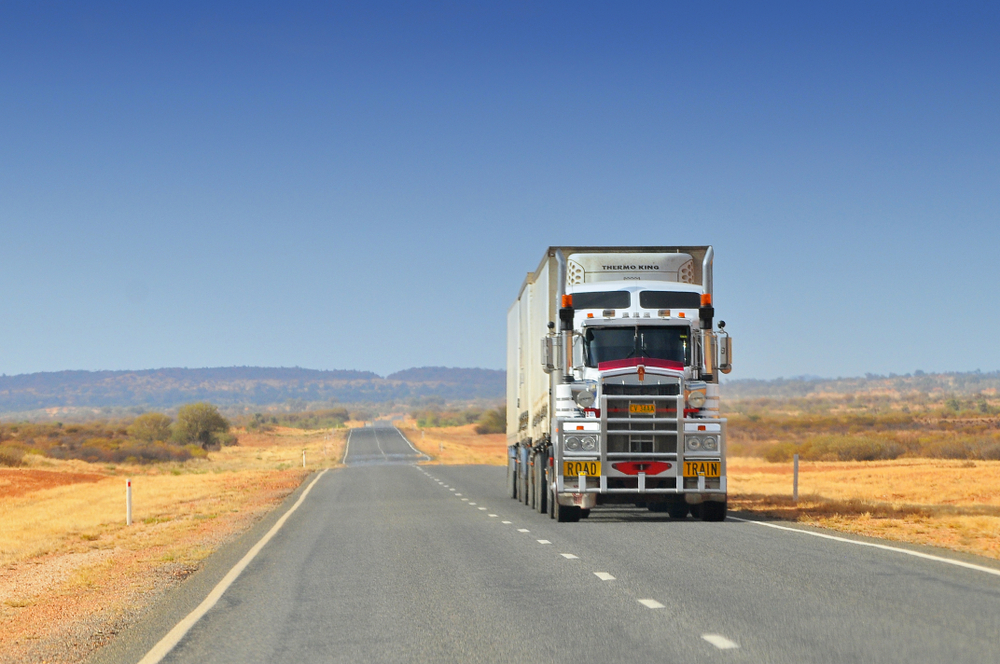
Nationwide coverage sounds impressive, but it only works if the fleet is managed well. A company that claims to cover all of Australia but only has a few trucks based in one city is going to struggle with long-distance runs. They might subcontract the load to another carrier, which adds complexity and risk. A better approach is to work with an operator that has depots or partners in key locations across the country.
South Eastern Cartage Service, for example, focuses on interstate caravan transport with a network that spans major routes. Their fleet includes a mix of heavy vehicles and road trains designed for different load types. That kind of flexibility matters when you need to move a single caravan or a batch of boats and trailers. They also handle car transport, which is a natural fit for someone relocating and needing to move both their vehicle and their caravan together.
Practical Tips for Your Next Move
If you are planning to send a caravan or trailer across the country, here are a few things to keep in mind:
- Check the operator's experience with your specific load type. Moving a boat is different from moving a caravan, and each has its own challenges.
- Ask about their loading and unloading process. Do they use a forklift, a ramp, or a crane? Make sure they can handle your item without damaging it.
- Confirm the insurance coverage in writing. Ask for a certificate of currency if possible.
- Discuss the route and timing. A good operator will give you a realistic window, not just a promise.
- Look for signs of a professional operation: GPS tracking, driver monitoring, and clear communication channels.
These steps might seem basic, but I have seen too many people skip them and regret it later. A little homework upfront saves a lot of stress down the road.
Why Experience Matters
The transport logistics industry rewards experience. A driver who has spent years behind the wheel of a road train knows how to handle crosswinds, steep grades, and tight loading docks. They know when to chain down a load and when to use webbing straps instead. That knowledge does not come from a manual. It comes from doing the job day in and day out.
For the customer, choosing an operator with a track record in van and caravan transport means less risk of damage and fewer headaches. It also means dealing with people who understand that your caravan is not just a load. It is your holiday home, your weekend escape, or your livelihood. They treat it with the same care you would.
In the end, reliable transport comes down to three things: the right equipment, skilled drivers, and honest communication. When all three are in place, the load arrives safe and on time. That is the standard every customer deserves.